1. The Trigger: “Operation Rising Lion”
On June 13, 2025, Israel launched a major, coordinated air-and-drone strike—dubbed “Operation Rising Lion”—targeting key Iranian nuclear and military infrastructure, including the Natanz site, missile bases, air defense systems, and senior IRGC commanders and scientists. The operation reportedly eliminated some 20 senior commanders and eased the previous covert stalemate into outright escalationapnews.com+9time.com+9en.wikipedia.org+9crisis24.com+5reuters.com+5nypost.com+5.
2. Iran’s Retaliation
In response, Iran unleashed a barrage of over 100 drones and dozens of ballistic missiles toward Israel, most of which were intercepted. According to Reuters, ballistic missile capabilities were weakened, and Iran’s response was limitedbusinessinsider.com. Iranian Supreme Leader Ayatollah Khamenei warned Israel of a “bitter and painful” fatealjazeera.com.
3. A Strategic Feint or Existential Gamble?
Analysts suggest Prime Minister Netanyahu seized a window when Iran’s proxies—such as Hezbollah and Hamas—were weakened through prior Israeli strikes. The strikes aimed to preempt a nuclear-armed Iran, but critics argue they risk fueling Iran’s nuclear ambitions and triggering nuclear proliferation, not just in Iran, but also among Gulf statesreuters.com+2theguardian.com+2thesun.co.uk+2.
4. Risk of Regional Escalation
This overt conflict threatens to draw in allied militias and Gulf powers:
- Hezbollah (Lebanon): arguably Iran’s closest regional proxy, has already been degraded but still poses a threat from the north .
- Axis of Resistance: encompassing Hamas, Iraqi militias, and the Yemeni Houthis, has coordinated previous cross-border strikes and may escalate en.wikipedia.org.
- Red Sea escalation: The Iran-backed Houthis have mirrored tensions at sea, targeting cargo vessels linked to Israel and prompting international reprisals imf.org+9en.wikipedia.org+9straitstimes.com+9.
5. Gulf States: Playing the Diplomatic Tightrope
Gulf Cooperation Council (GCC) countries—including Saudi Arabia, the UAE, Bahrain, Qatar, Oman, and Kuwait—have pursued a strategy of de-escalation, opting for robust dialogue with Tehran while avoiding direct military alignment with either side stimson.org+1mei.edu+1.
- Saudi Arabia: Balanced its public neutrality with private de-escalation efforts, wary of sabotage to its economic vision .
- UAE & Bahrain: Engaged in quiet diplomacy with Iran, seeking to prevent spillover, even brokering talks .
- Qatar and Oman: Vocal mediators; Oman notably called for ending “Israel’s illegal occupation” stimson.org.
- Turkey: Diplomatically active, urging de-escalation and holding back Israeli action to prevent dilution of pressure on Gaza .
6. The U.S. Role
While the U.S. provided missile-defense support to Israel, Washington distanced itself from overt involvement. President Trump warned Iran and hinted at openness to new nuclear talks. U.S. military deployments—like aircraft carrier strike groups—have positioned as deterrents against wider escalation .
7. The Human & Economic Toll
The crisis has ignited:
- Civilian displacements and casualties in Lebanon and Gaza, continuing a regional humanitarian catastropheeurasiareview.com+1en.wikipedia.org+1.
- Disruptions in air travel and maritime shipping across the region, including reduced Red Sea throughput and spikes in global oil prices .
8. Where Do We Go from Here?
- Iran may pursue diplomatic avenues, faced with weakened arsenal and internal pressure .
- Israel has signaled intent to continue until the Iranian nuclear threat is neutralized ft.com+1nypost.com+1.
- GDL Diplomacy: Gulf States could broker a shift—reinforcing regional order if they successfully keep escalation in check.
🔎 Conclusion
The June 2025 intensification of the Israel–Iran conflict marks a dramatic pivot from decades-long covert confrontations to overt military strikes. While the immediate outcome weakens Iran’s nuclear and military leadership, it also heightens the risk of regional war. Gulf states, with the U.S. and Turkey, now carry the weighty task of diplomatic containment. Meanwhile, the Axis of Resistance—Hezbollah, Hamas, Houthis—stands ready to expand the front. The world watches: Will dialogue triumph or will the embers ignite?
Recent Israel‑Iran conflict coverage
Iran fires missiles at Israel in response to attacks

Israeli strikes back Iran’s leadership into a corner
5 key questions on Israel’s strikes, Iran’s response, and the risk of a wider war
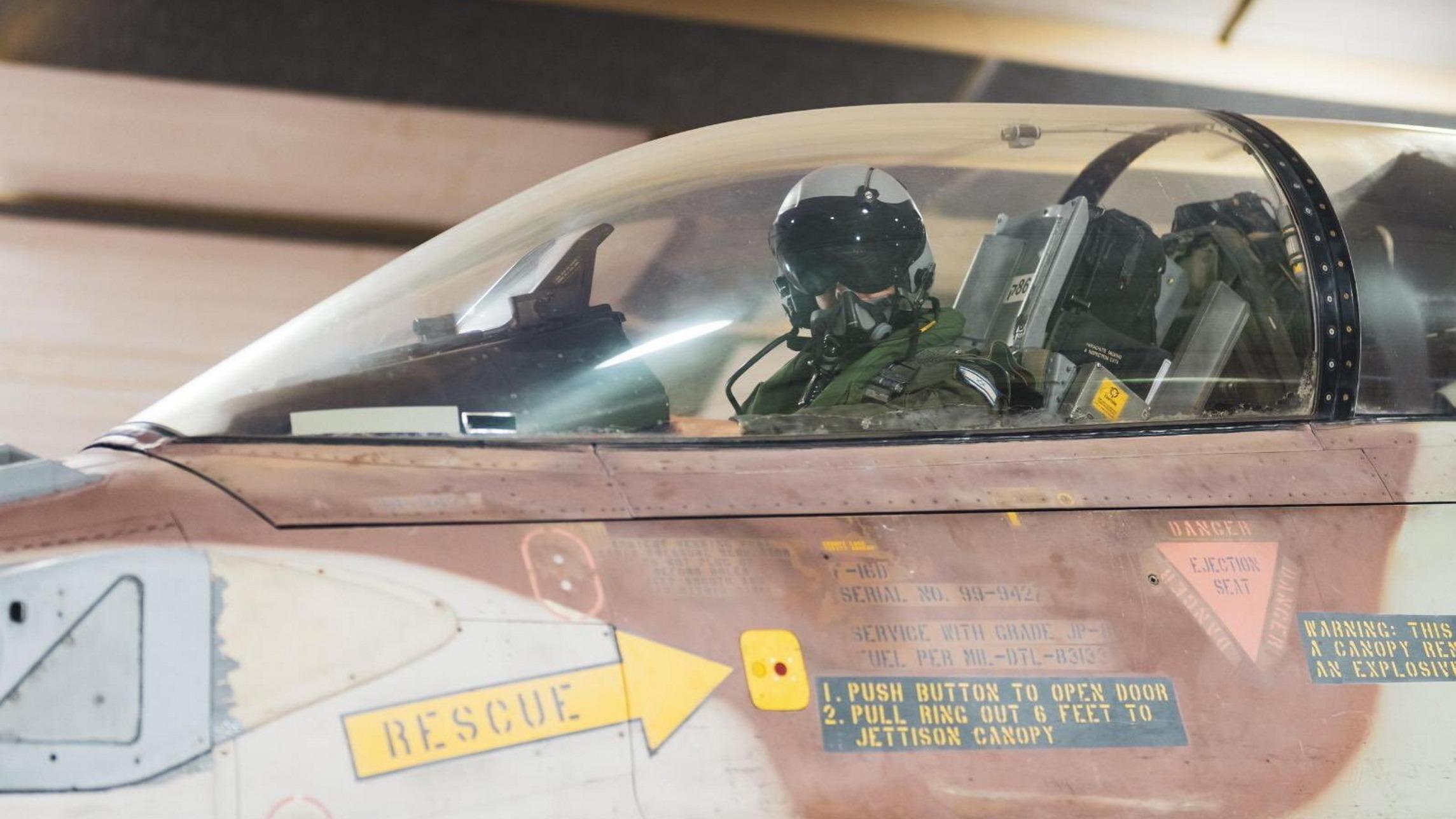
Israel’s Netanyahu stakes his legacy on war to eliminate Iranian nuclear threat